GUY CARLETON WIGGINS, (1889-1979)
Description:
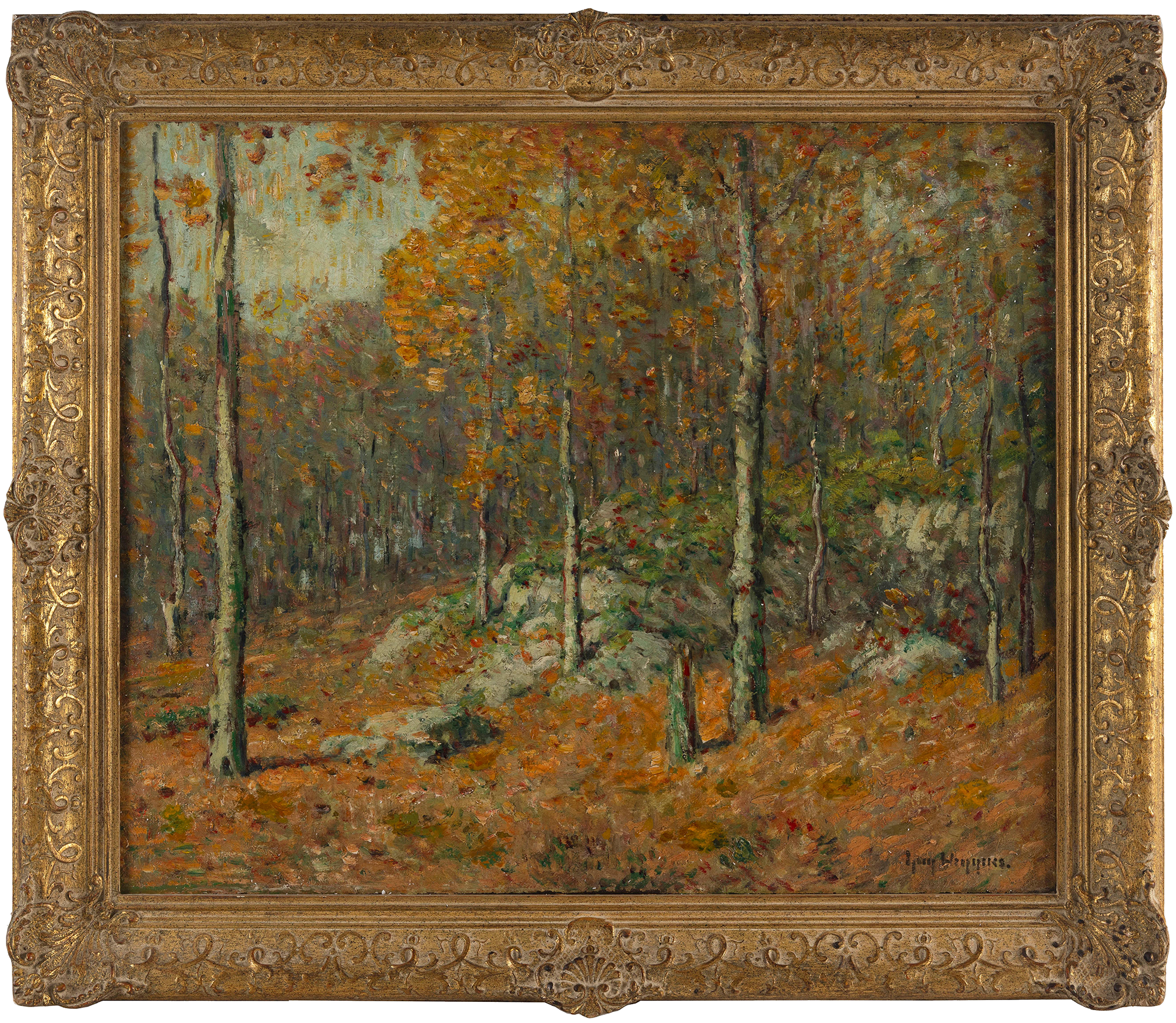
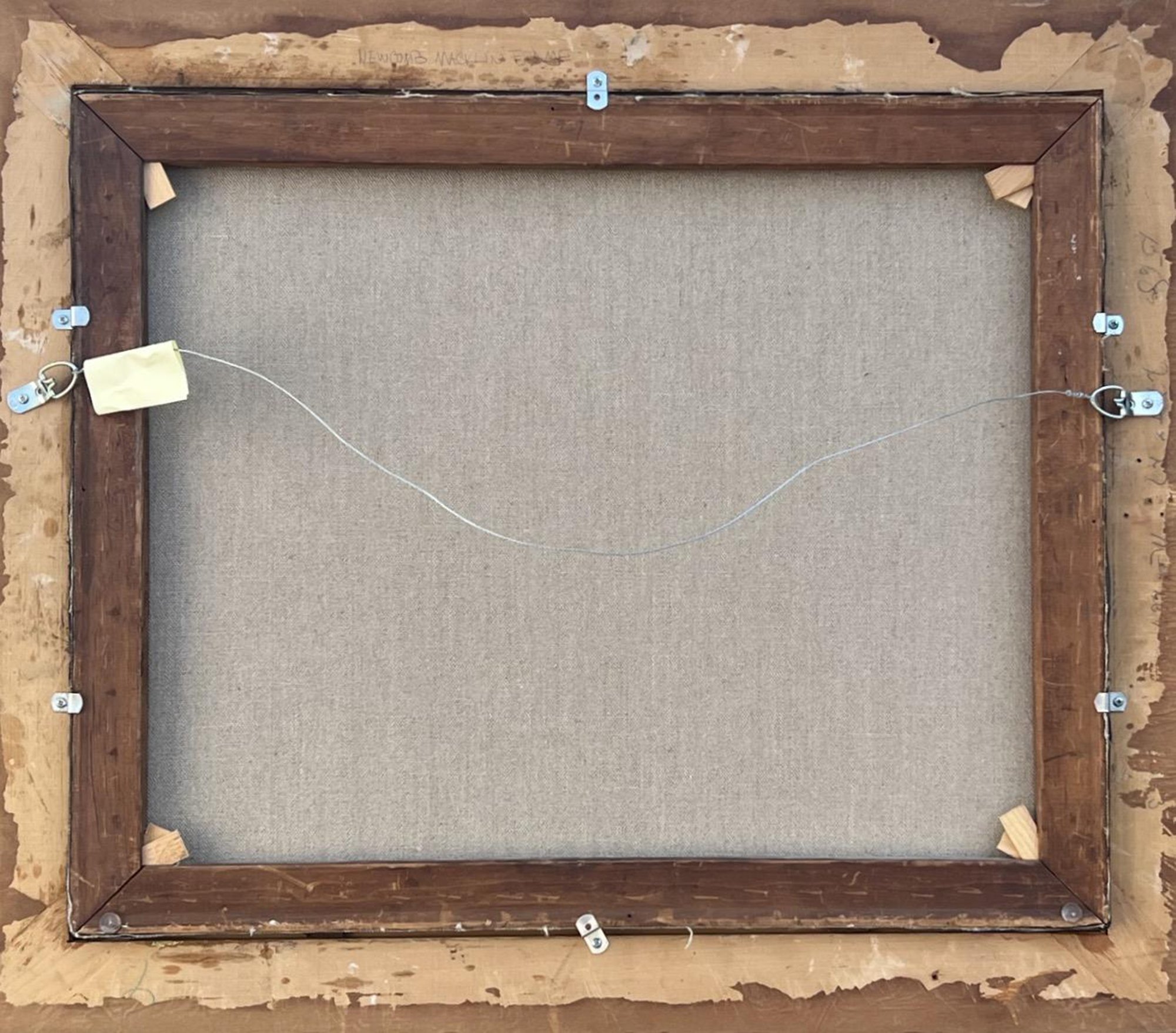
Oil on Canvas 22x27 in.
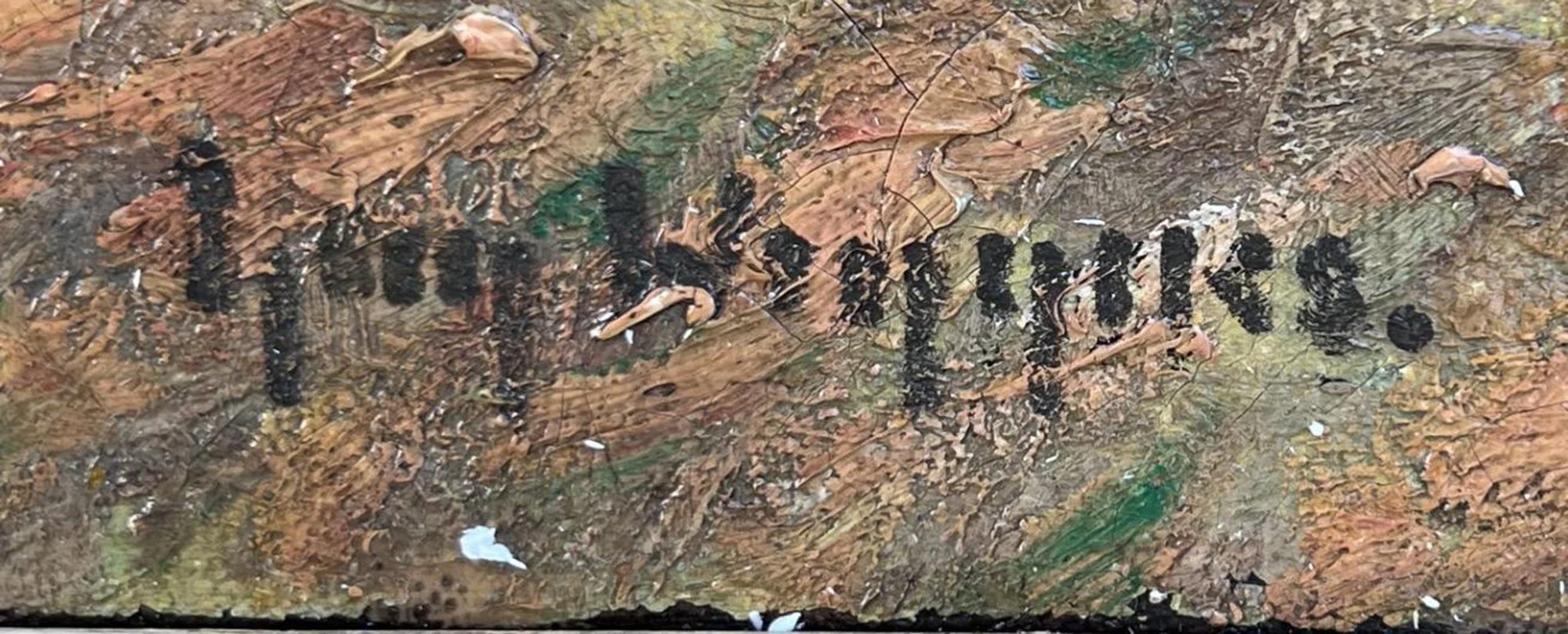
Signed Lower Right: “Guy Wiggins
This richly textured woodland scene captures the atmospheric vitality and painterly sophistication associated with American Impressionist landscape painting of the early twentieth century. Forest interiors and autumn landscapes offered artists an ideal setting in which to explore nuanced color harmonies, broken brushwork, and the shifting effects of light filtering through foliage.
In this composition, tall birch and hardwood trunks rise vertically across the canvas, establishing a rhythmic structural framework softened by the warm glow of autumn leaves. The forest floor is rendered with pronounced impasto, built up in short, energetic strokes and occasional palette-knife passages that convey the tactile crispness of fallen leaves underfoot. A refined interplay of ochre, sienna, moss green, and slate gray forms a cohesive chromatic field, while subtle tonal recession in the background creates convincing atmospheric depth and spatial continuity.
About the Artist:
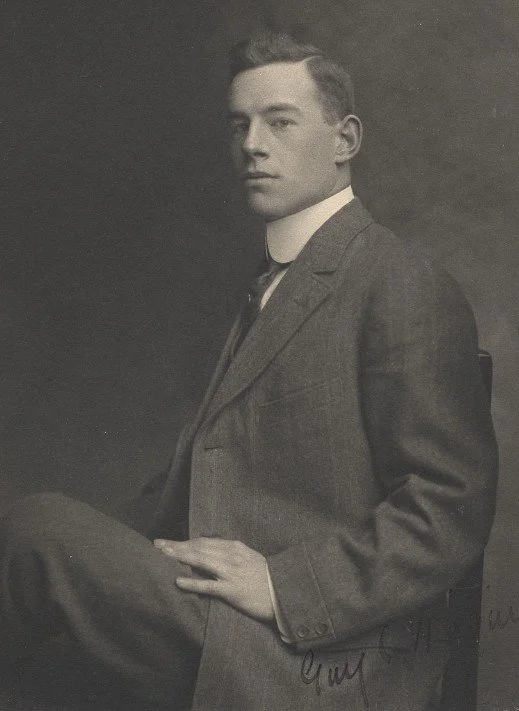
Guy Carleton Wiggins (1883–1962) was an American Impressionist painter best known for his vibrant winter scenes of New York City and his landscapes of New England. Born in Brooklyn, he studied under his father, Carleton Wiggins, and later at the National Academy of Design and the Art Students League in New York. Wiggins became closely associated with the Lyme Art Colony in Old Lyme, Connecticut—an important center of American Impressionism—where he refined his approach to broken brushwork, luminous color, and the depiction of shifting light. While his snow-covered views of Fifth Avenue and Midtown Manhattan remain his most iconic works, he also produced expressive woodland interiors, coastal scenes, and autumn landscapes. Elected to the National Academy of Design at a young age, Wiggins achieved early commercial and critical success and remains recognized as a significant figure in American Impressionism.